Clearer, louder sound in the rooms that fight back.
You can do everything right — good mic choice, careful placement, EQ notches, smart gating, tasteful compression — and still hit a wall where the room wins. That wall is gain-before-feedback.
That’s Alpha Labs’ own published example configuration — not a number we measured ourselves — but it’s the kind of near-zero latency that lets an AI de-feedback and dereverb tool sit directly inside a live show’s signal chain without smearing timing.
Great engineers, real ceilings.
What a solid engineer can already do in a difficult room:
- Ring out problem frequencies with careful EQ.
- Manage mic technique and stage volume before the show starts.
- Use gates and expanders to reduce open-mic wash.
- Apply dynamics to control peaks and keep things intelligible.
- Tune the system and aim speakers to keep energy off the stage.
But EQ, gating, and dynamics can only go so far — none of them can truly separate wanted voice from unwanted room interaction.
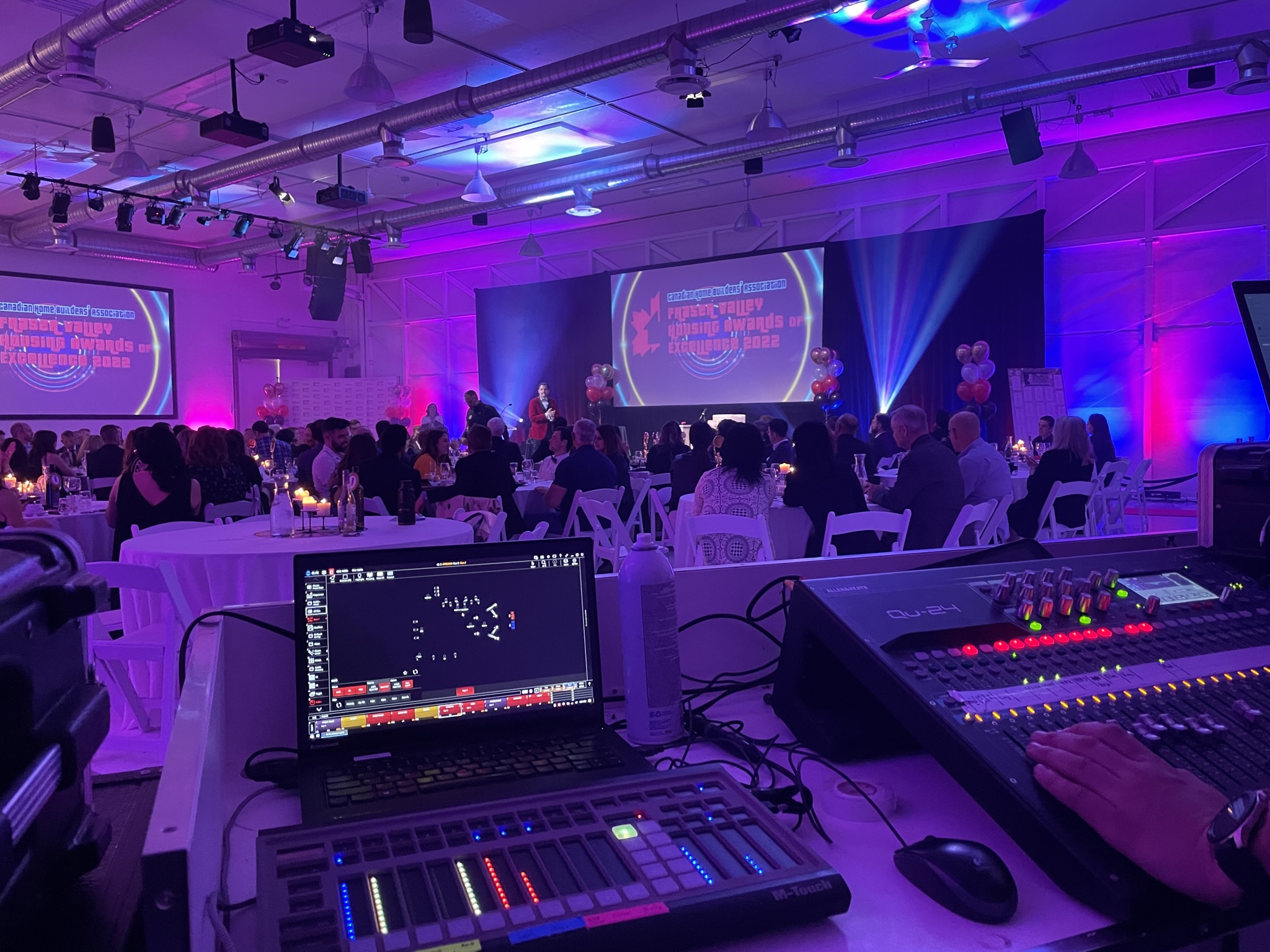 Live Event · Abbotsford
Where De-Feedback changes the math.
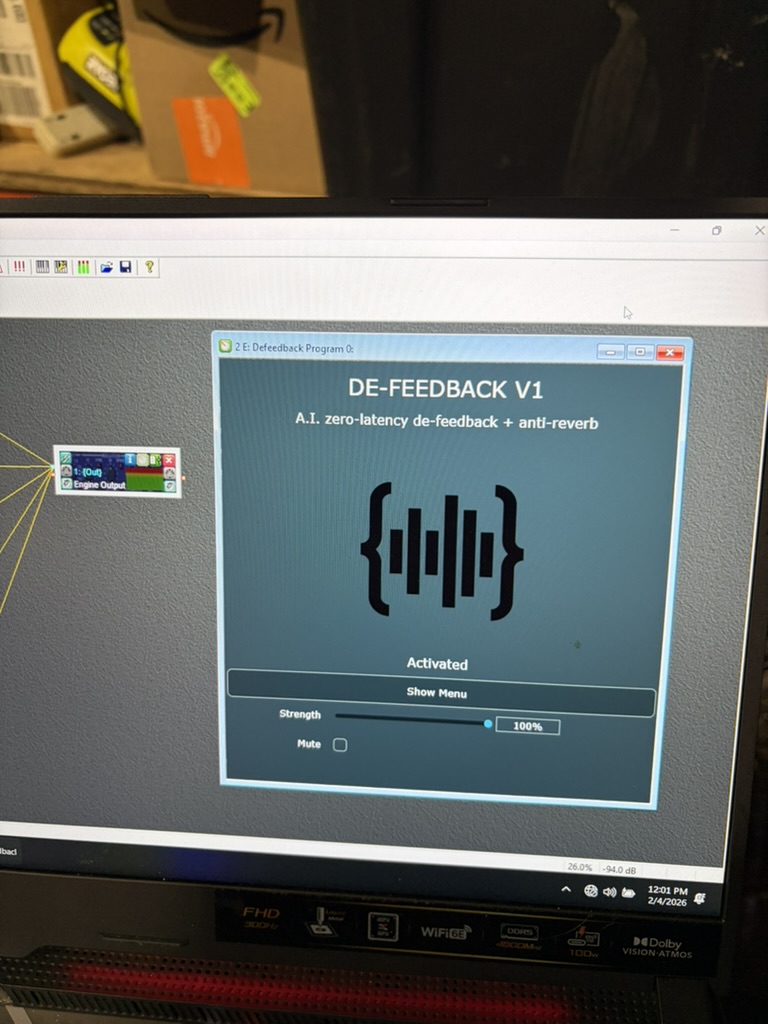
Alpha Labs built De-Feedback V1 to do the part EQ and dynamics can’t: separate the room from the source instead of just carving frequencies out of both.
Fighting feedback
More usable gain before a mic rings, without thinning out the vocal.
Reverberant rooms
Dereverb processing built for churches, gyms, and glass-and-concrete ballrooms.
Noise & bleed
Denoise handling for open mics and stages packed close to the PA.
 Front of House
Let’s be crystal clear: De-Feedback is not a replacement for a sound engineer. It doesn’t place microphones, set gain structure, manage stage volume, tune a PA, balance a band, or solve coverage problems. What it does — used properly — is give the engineer more headroom in the places where physics usually says no. Line arrays didn’t replace system techs, wireless didn’t replace RF coordinators, and digital consoles didn’t replace engineers. Tools like this raise the ceiling for what’s possible when professionals are the ones running them.
In our rental inventory — plus consulting & sales.
We’ve added De-Feedback-capable software and hardware to our rental toolkit, and we can help venues and production teams put it to work properly — not just install a plugin and hope.
- De-Feedback-capable rental kit for your next event or install.
- Consulting for venues and houses of worship.
- System-design guidance — signal flow, insert points, redundancy, latency.
- Hardware-sales support to adopt it in a stable, professional way.
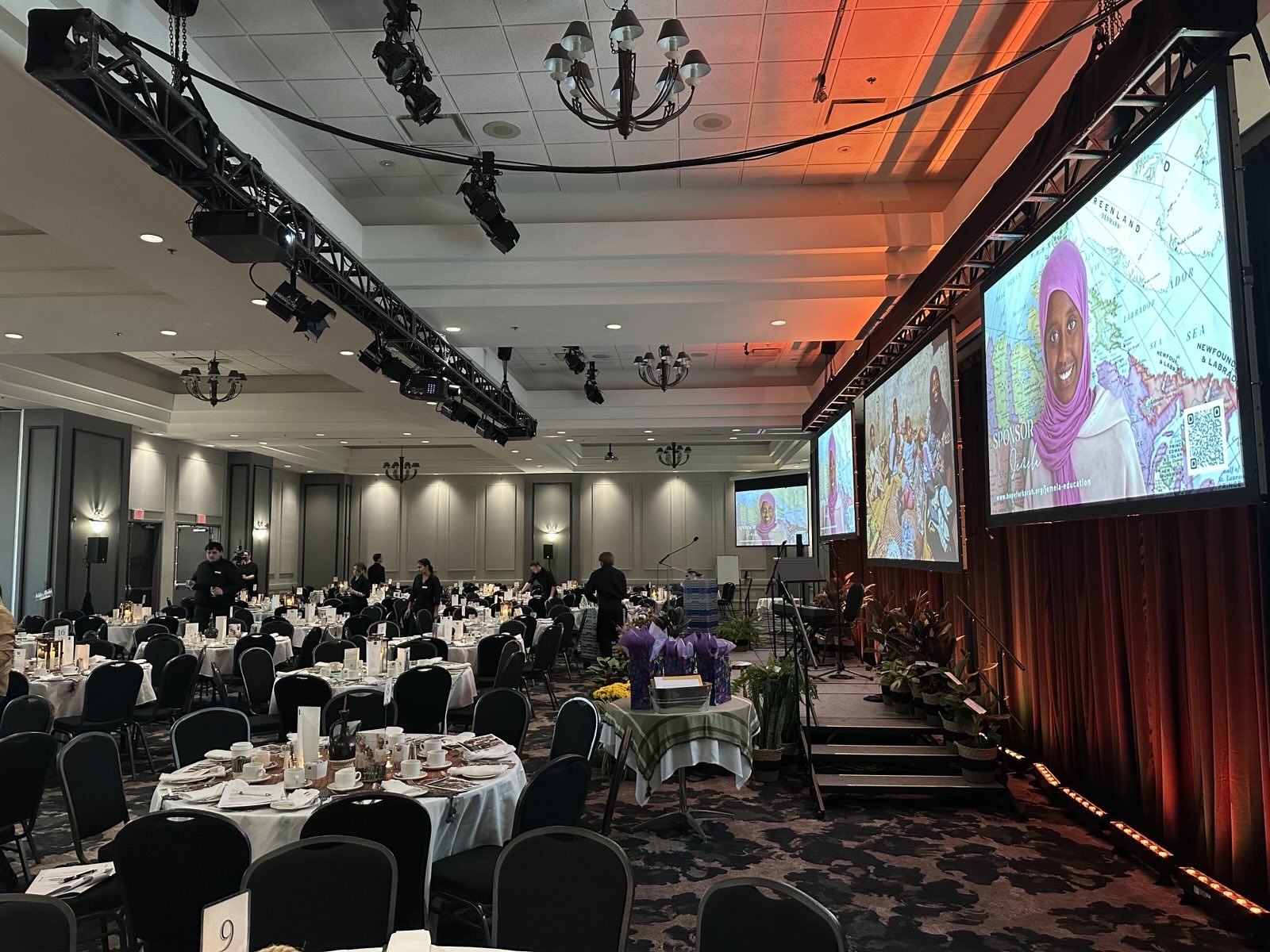 Fundraising Gala · Vancouver
Ask your production company one question.
- 01“Are you using De-Feedback (or an equivalent next-gen AI feedback tool) yet?”
- 02The teams adopting it now deliver clearer, louder sound in tough rooms with fewer compromises than EQ, gates, and dynamics alone.
- 03If you don’t have a production company — or want a better result — Valley Tech can help, from rentals to full deployment.